Security Management System
QJET upholds sustainable security at Hamad International Airport by implementing strict access controls, continuous surveillance, staff vetting, and compliance with international aviation.


QJET Sustainable Security Requirements at Hamad International Airport
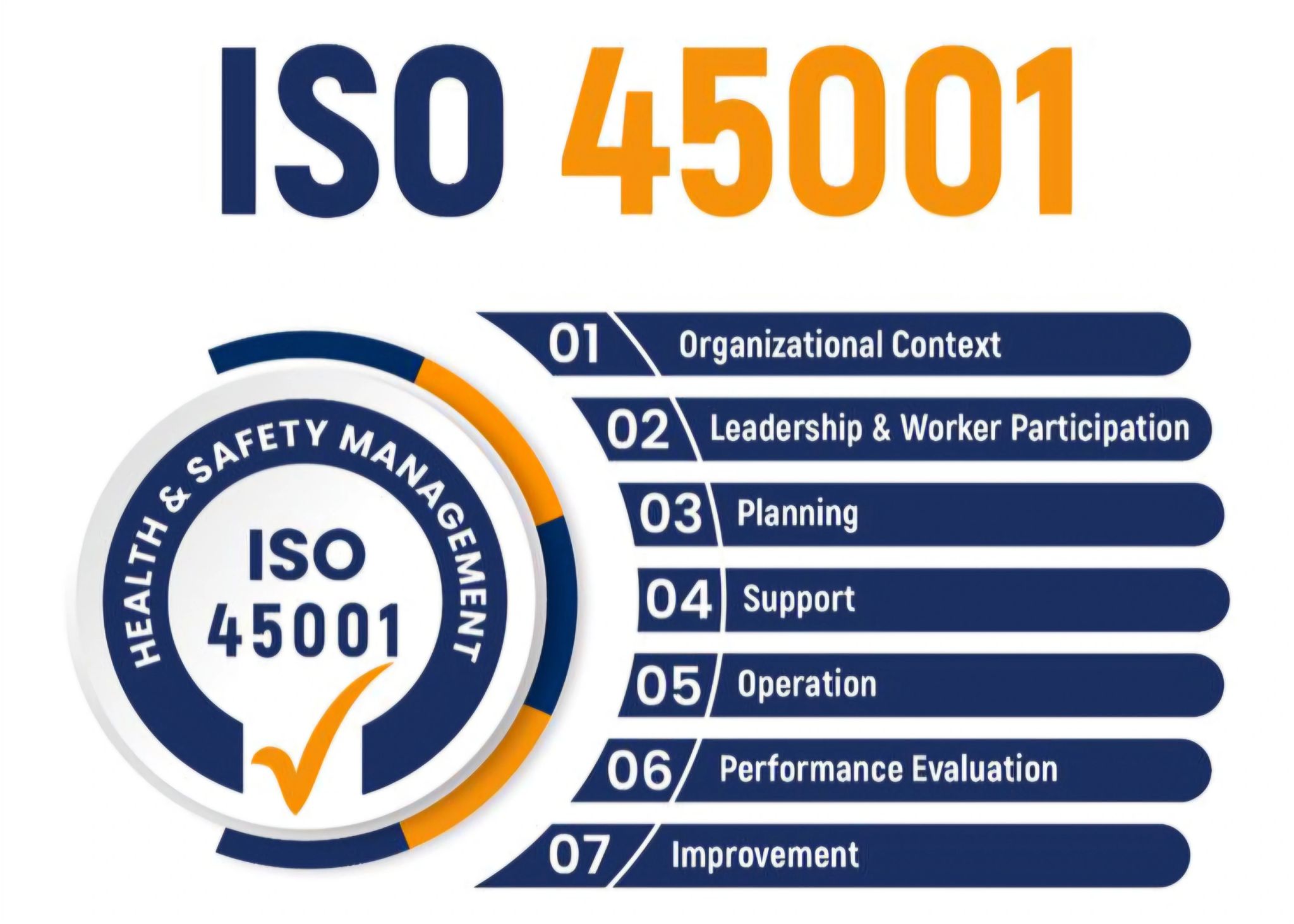
QJET implements sustainable security measures at Hamad International Airport in strict alignment with ISO 45001, ensuring that health and safety risks associated with fuel —as well as potential security threats—are systematically identified, controlled, and minimized to protect personnel, infrastructure, and the environment.
Secure Access and Operational Zones
• Controlled Access: Restricted access to fueling areas is enforced through physical barriers, surveillance systems, and security ID verification to prevent unauthorized entry and protect personnel from potential hazards.
• High-Risk Area Identification: Operational zones are assessed and designated according to risk level, with heightened controls in place for sensitive areas like hydrant pits, bulk fuel storage, and refueler vehicle routes.
Workforce Safety and Security Training
• Mandatory Safety Inductions: All employees and contractors receive security-focused health and safety training before working in operational zones.
• Emergency Preparedness Drills: Regular drills simulate fuel leaks, fire outbreaks, and security incidents to ensure staff readiness and coordination with HIA emergency response units.
• Behavior-Based Safety Programs: Employees are encouraged to report unsafe conditions and engage in proactive hazard identification to support a secure, safety-driven culture.
Risk Assessment and Preventive Controls
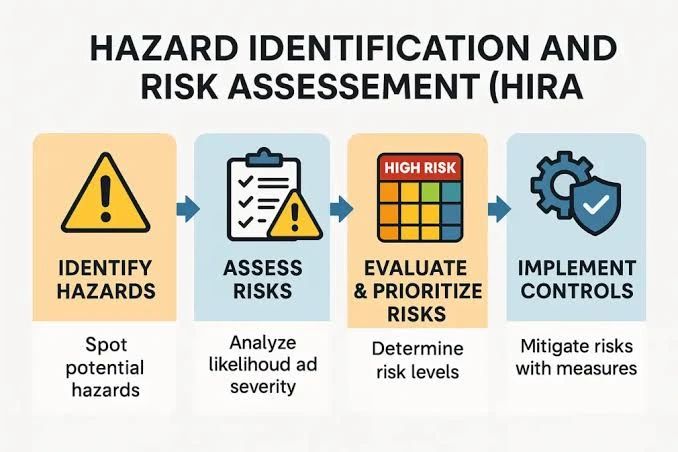
• Hazard Identification: All security-related safety risks—including unauthorized access, sabotage, and intrusion—are systematically assessed under QJET’s ISO 45001 risk management framework.
• Preventive Maintenance: Security and safety systems (e.g.,gates, alarms, lighting) are included in the preventive maintenance schedule to avoid system failures that could compromise safety.
• Contractor Safety Assurance: All third-party personnel must meet QJET’s ISO 45001 safety requirements, with verification of training and operational competence.
Continuous Improvement and Compliance
• Incident Reporting and Analysis: Any breach or safety-security event is logged, investigated, and analyzed to identify root causes and implement corrective actions.
• Internal Audits and Inspections: Routine audits are conducted to ensure security systems and safety protocols are fully compliant with ISO 45001 requirements.
• Leadership Commitment: QJET’s top management actively supports a safe and secure workplace by investing in modern safety infrastructure and ensuring alignment with national and international safety legislation.
QJET’s sustainable security framework at HIA ensures that all security measures not only prevent threats but also protect employee health and safety—core principles under ISO 45001. This approach fosters a secure, resilient, and compliant fuel operation environment.