


Safety Management System
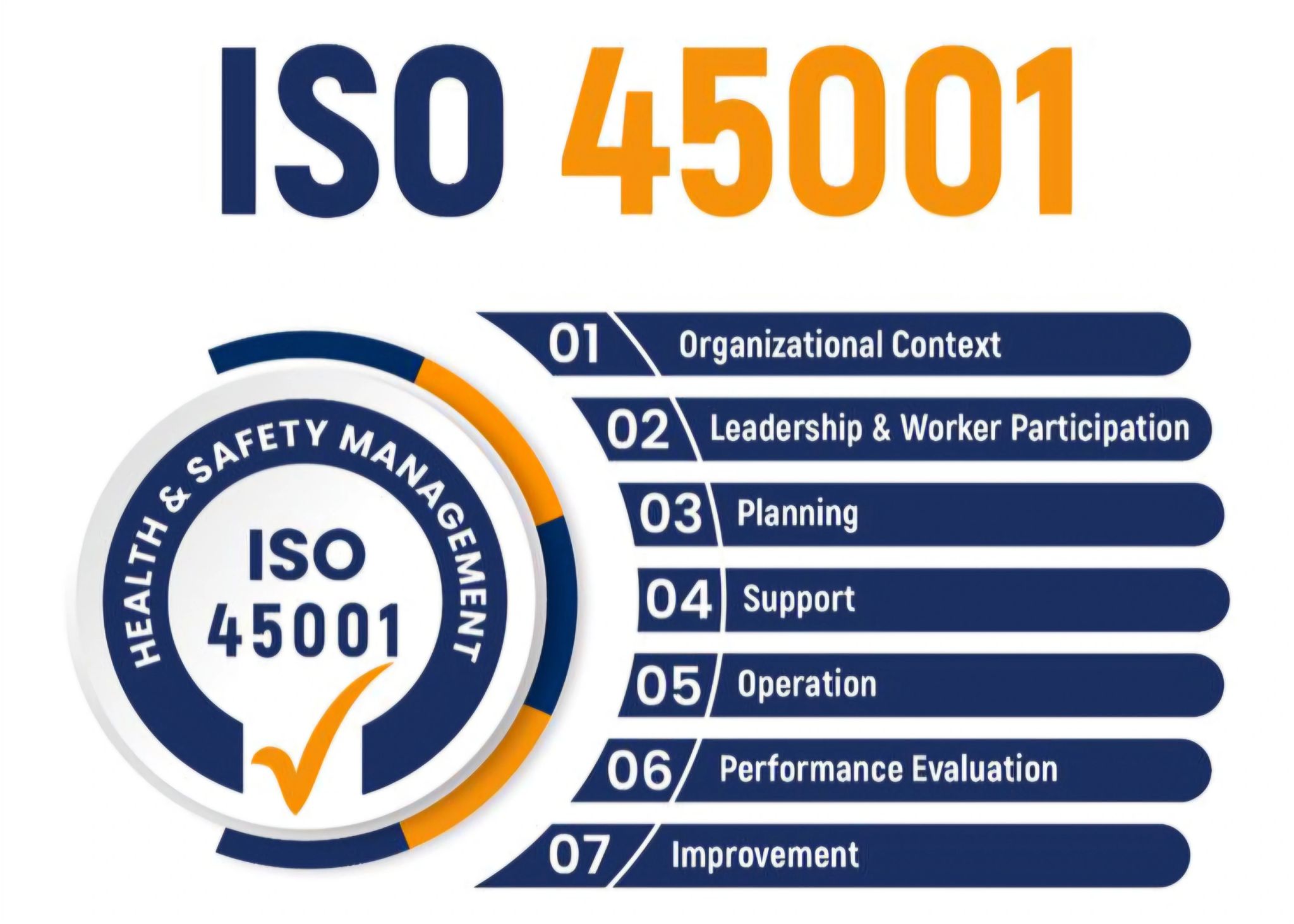
QJET’s Sustainability in Safety: ISO 45001 – Occupational Health and Safety Management System
Qatar Jet Fuel Company (QJET) demonstrates a strong and sustainable commitment to health and safety by adopting the internationally recognized ISO 45001 Occupational Health and Safety Management System (OHSMS). This system is a core component of QJET’s sustainability framework and is integrated across all operational areas at Hamad International Airport (HIA), including Into-Plane operations, fuel storage facilities, fleet and fixed asset maintenance, and administrative functions.
Leadership and Organizational Commitment
At QJET, top management plays a vital role in cultivating a proactive safety culture. The Leadership ensures that health and safety objectives are aligned with overall business sustainability goals, and that safety key performance indicators (KPIs) are regularly reviewed at the strategic level. This commitment includes:
• Allocating resources for safety improvements.
• Conducting regular reviews of safety performance indicators.
• Visible involvement of leadership in safety campaigns and incident investigations.
Hazard Identification and Risk Assessment
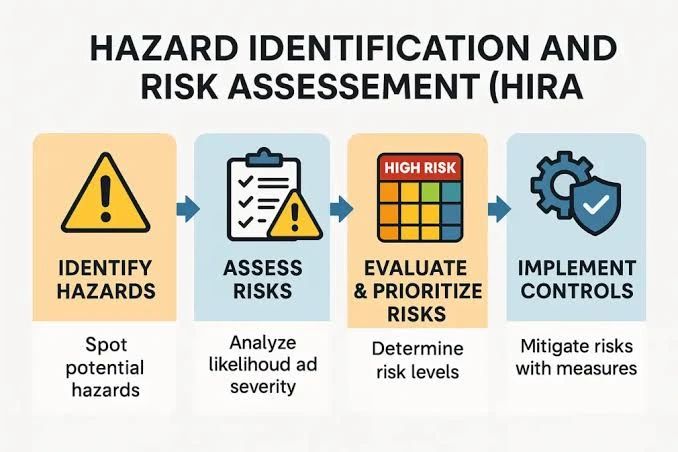
QJET implements a robust hazard identification and risk management process across all fuel-handling activities, vehicle movements, confined space entries, and maintenance tasks. The process includes:
• Pre-operational risk assessments for all critical tasks (e.g., hydrant pit servicing, fuel filter replacement).
• Continuous workplace inspections and audits.
• Job Safety Analysis (JSA) and Toolbox Talks tailored to high-risk operations.
Worker Participation and Consultation
QJET’s OHSMS encourages active participation and engagement of workers at all levels, ensuring they have a voice in health and safety matters. This includes:
• Regular safety committee meetings with employee representatives.
• “Stop Work” authority granted to all employees in the event of unsafe practices.
• Feedback mechanisms (e.g., surveys, suggestion systems) for identifying safety improvement opportunities.
Training and Competence Development
To maintain a high level of safety performance, QJET invests significantly in competency-based training programs:
• Mandatory training in hazardous materials handling, fire safety, emergency response, and first aid.
• Specialized training for Into-Plane fueling staff, including PPE use, vehicle maneuvering, and fueling safety procedures.
• Refresher training and re-certification, aligned with IATA, JIG, and local regulatory standards.
Emergency Preparedness and Response
QJET maintains a well-coordinated emergency response system in alignment with ISO 45001 and HIA’s airport-wide emergency plans. Preparedness measures include:
• Emergency drills involving simulated fuel spills, fires, and medical emergencies.
• Regular review and testing of fire suppression systems in fuel storage facilities.
• Joint exercises with HIA’s safety, fire, and security departments.
Incident Management and Continuous Improvement
A key sustainability principle under ISO 45001 is continuous improvement. QJET ensures that all incidents, near-misses, and unsafe conditions are thoroughly investigated to prevent recurrence:
• Root cause analysis using tools such as the 5 Whys and Fishbone Diagram.
• Corrective and preventive actions (CAPAs) tracked through centralized safety management software.
• Learning bulletins and safety alerts issued company-wide to share lessons learned.
Legal and Regulatory Compliance
QJET ensures compliance with all Qatar Civil Aviation Authority (QCAA) regulations, Ministry of Labour requirements, and HIA-specific safety protocols. Compliance monitoring includes:
• Regular third-party audits and inspections.
• Documentation control of all safety procedures and risk registers.
• Timely implementation of audit recommendations and legal updates.
Performance Monitoring and Sustainability Reporting
QJET tracks health and safety performance through defined metrics, including Lost Time Injury Rate (LTIR), Near-Miss Frequency Rate (NMFR), and audit closure rates. These metrics are integrated into QJET’s sustainability reports and are used to:
• Benchmark performance against global aviation fuel standards.
• Set annual safety improvement targets.
• Demonstrate accountability to stakeholders including HIA, QatarEnergy, and partner airlines.